

History is a subject that comes to life when students can explore the places where significant events unfolded. From the battlefields of the First World War to the divided streets of Cold War Berlin, Europe offers some of the most fascinating educational destinations for secondary school history trips.
For GCSE and A-level students, visiting historical sites provides opportunities to develop a deeper understanding of the people, events and decisions that have shaped our world.
But with so many destinations to choose from, which European history school trips offer the greatest educational value?
We’ve explored five destinations that can support GCSE and A-level History studies, helping teachers choose a school trip that complements their curriculum and brings learning beyond the classroom.
1. Berlin, Germany – Nazi Germany and the Cold War
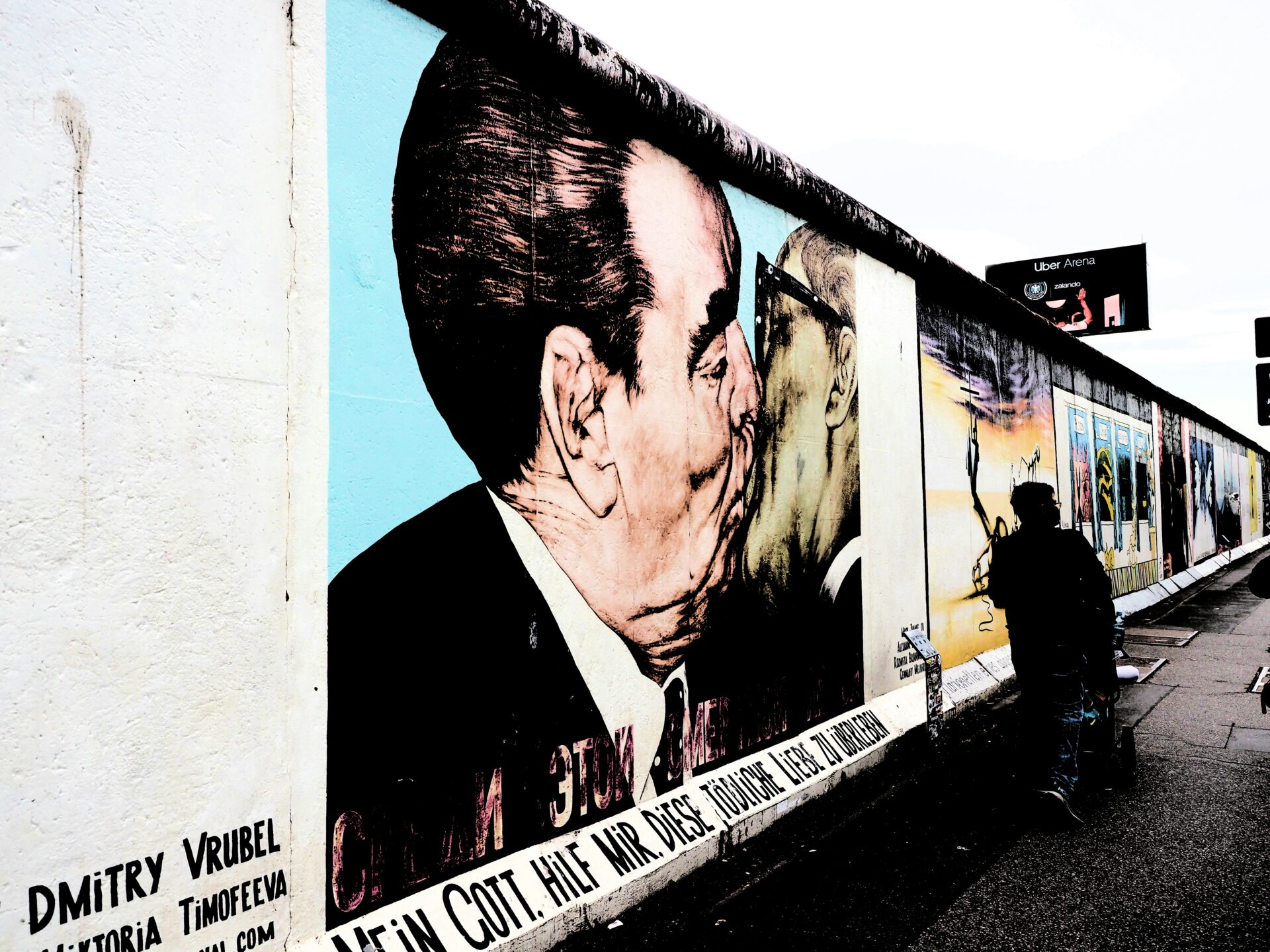
Berlin is one of Europe’s most significant destinations for studying twentieth-century history. From the rise of National Socialism to the construction and eventual fall of the Berlin Wall, the city offers opportunities to explore political change, conflict and international relations.
For GCSE and A-level students studying Nazi Germany, the Second World War or the Cold War, Berlin provides a powerful connection between historical events and the places where they happened.
Educational Highlights
- Berlin Wall Memorial: Explore the division of Berlin and the impact of the Cold War on everyday life.
- Topography of Terror: Examine the institutions of Nazi persecution and the machinery of dictatorship.
- Reichstag Building: Discover Germany’s political history and the development of modern democracy.
- Memorial to the Murdered Jews of Europe: Reflect on the Holocaust and the importance of historical remembrance.
- Checkpoint Charlie: Investigate the tensions between East and West during the Cold War.
GCSE & A-Level Curriculum Connections
Berlin can support topics including Germany between 1890 and 1945, democracy and dictatorship, the origins and development of the Cold War, and the division and reunification of Germany.
Why choose Berlin? Few European cities offer such a concentration of historical sites covering multiple twentieth-century topics. It is particularly well suited to secondary school groups seeking to explore how political decisions affected individuals and societies.
Explore Activ4’s Berlin History School Trips

2. Kraków, Poland – The Second World War and the Holocaust
Kraków provides an important setting for students studying the Second World War, Nazi occupation and the Holocaust.
The city’s historic Jewish quarter, wartime sites and museums offer opportunities to examine the experiences of communities under occupation, the consequences of persecution and the importance of remembrance.
Educational Highlights
- Auschwitz-Birkenau Memorial and Museum: Learn about Nazi persecution, the Holocaust and the experiences of victims through a carefully prepared educational visit.
- Oskar Schindler’s Enamel Factory: Explore life in Kraków during Nazi occupation.
- Kazimierz Jewish Quarter: Discover the history, traditions and cultural heritage of Kraków’s Jewish community.
- Former Kraków Ghetto: Examine the experiences of Jewish residents under Nazi occupation.
- Historic Old Town: Explore Poland’s cultural and historical heritage.
GCSE & A-Level Curriculum Connections
A history trip to Kraków can complement studies of Nazi Germany, the Holocaust, the Second World War, occupation and resistance, and the experiences of civilians during conflict.
Visits to Auschwitz-Birkenau require particular sensitivity, appropriate preparation and structured opportunities for reflection. Teachers should consider the age and emotional readiness of their students and follow the Memorial’s educational guidance.
Why choose Kraków? Kraków offers students opportunities to engage with the human consequences of historical events, encouraging reflection, historical understanding and critical discussion.
Explore Activ4’s Kraków History School Trips

3. Normandy, France – D-Day and the Second World War
The Normandy coastline played a crucial role in the Allied liberation of Western Europe during the Second World War.
Today, its landing beaches, museums, memorials and military cemeteries provide valuable opportunities for students to investigate the events of 6 June 1944 and the wider significance of the Normandy campaign.
Educational Highlights
- Omaha Beach: Examine the challenges faced by Allied forces during the D-Day landings.
- Arromanches: Discover the engineering and logistical achievements behind the artificial Mulberry harbours.
- Pointe du Hoc: Explore the strategic importance of coastal defences and the actions of American Rangers.
- Normandy American Cemetery: Reflect on the human cost of war and the importance of remembrance.
- Caen Memorial Museum: Investigate the Second World War and its wider historical context.
GCSE & A-Level Curriculum Connections
Normandy can support the study of the Second World War, military strategy, the Allied liberation of Europe, technological developments in warfare and the consequences of conflict.
Students can also explore the importance of international cooperation, logistics and strategic decision-making in determining military outcomes.
Why choose Normandy? Exploring the landing beaches and surrounding historical sites gives students a geographical understanding of the scale and complexity of the D-Day operations that maps and textbooks alone cannot fully convey.
Explore Activ4’s Normandy History Trip
4. London, UK – British History, the World Wars and Social Change
While European history school trips offer opportunities to explore the continent’s past, London provides an equally valuable option for schools looking to investigate British history closer to home.
London is one of the UK’s most fascinating destinations for GCSE and A-level history school trips, offering students the opportunity to explore centuries of British history, from the Tudor monarchy to the World Wars and the development of modern democracy.
With its world-renowned museums, historic landmarks and political institutions, London provides a wealth of opportunities to connect classroom learning with the people, events and decisions that have shaped Britain.
Educational Highlights
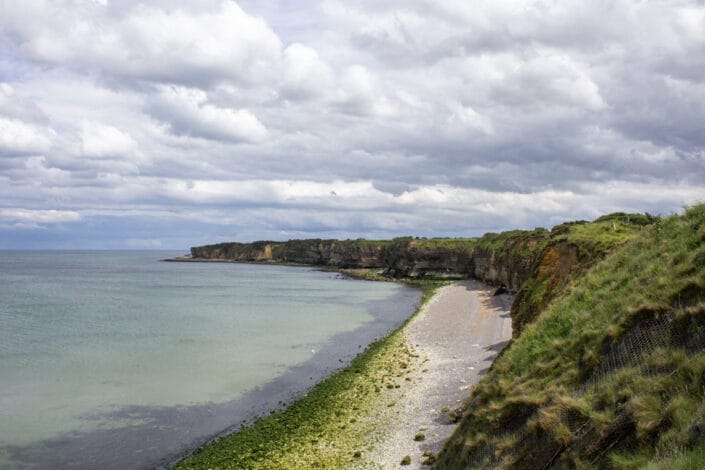
- Imperial War Museum London: Explore the First and Second World Wars, the Holocaust and the impact of conflict on society through exhibitions, artefacts and personal accounts.
- Churchill War Rooms: Discover the underground headquarters where Winston Churchill and his government directed Britain’s war effort during the Second World War.
- Tower of London: Investigate the history of the monarchy, Tudor England, imprisonment and political power.
- Houses of Parliament: Learn about the development of British democracy, government and political institutions.
- Museum of London Docklands: Explore London’s maritime and trading history, including the British Empire, transatlantic slavery and the development of the city.
GCSE & A-Level Curriculum Connections
London can support a wide range of GCSE and A-level history topics, including Elizabethan England, the development of British democracy, the First and Second World Wars, the British Empire and social and political change.
Students can explore how historical events influenced everyday life, examine primary sources and consider different interpretations of Britain’s past.
London is also particularly well suited to cross-curricular school trips combining History with Politics, Religious Studies or English Literature.
Why choose London? With centuries of history concentrated in one city, London allows students to explore multiple historical periods within a single itinerary. Its extensive collection of museums, memorials and historic sites makes it a particularly accessible and flexible destination for UK secondary schools.
Explore Activ4’s London History School Trips
5. Rome, Italy – Ancient History and Classical Civilisation
For schools studying Ancient History, Classical Civilisation or the Roman Empire, Rome provides an extraordinary opportunity to explore the remains of one of history’s most influential civilisations.
From the Colosseum to the Roman Forum, the city offers a wealth of archaeological sites that can help students understand Roman politics, society, religion and everyday life.
Educational Highlights
- Colosseum: Explore public entertainment, Roman society and the role of spectacles in imperial culture.
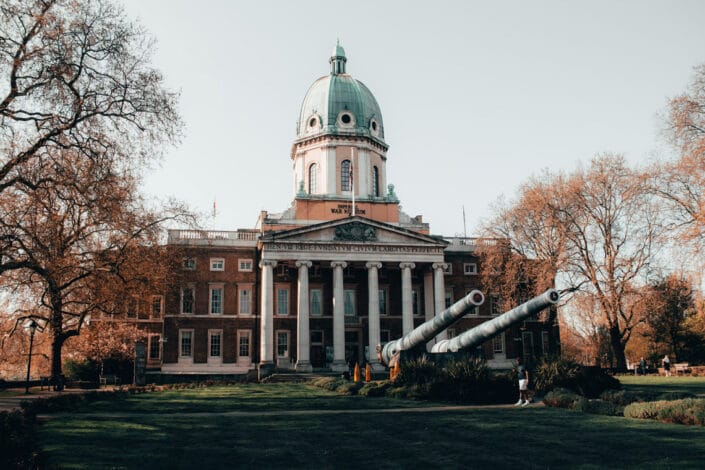
- Roman Forum: Investigate the political, religious and commercial centre of ancient Rome.
- Palatine Hill: Discover the development of Rome and the residences of its emperors.
- Pantheon: Examine Roman architecture, engineering and religious traditions.
- Ostia Antica: Explore the remains of an ancient Roman port city and investigate everyday life.
GCSE & A-Level Curriculum Connections
Rome is particularly suitable for groups studying Ancient History and Classical Civilisation, including Roman society, imperial power, religion, architecture and the development of the Roman Empire.
It can also provide valuable cross-curricular opportunities for Religious Studies, Art and Design, and Latin.
Why choose Rome? Students can investigate the physical remains of ancient civilisation, connecting archaeological evidence with the historical accounts and interpretations encountered in their studies.
Explore Activ4’s Rome History Trip
How to Choose the Best History School Trip for Your Students
The best European history school trip will depend on your students’ curriculum, the topics they are studying and the learning objectives you want to achieve.
Before choosing a destination, consider these five questions:
- Which historical periods are students studying? Choose a destination that directly supports the relevant GCSE or A-level topics.
- What do you want students to gain from the experience? Consider whether the trip should focus on historical knowledge, interpretation, evidence or critical analysis.
- Are the visits appropriate for the age group? Some historical sites require additional preparation and sensitivity.
- How much time is available? A carefully planned itinerary should allow sufficient time for meaningful educational visits rather than trying to include too many attractions.
- Can the itinerary be tailored to your school? A curriculum-linked programme should reflect your students’ learning needs and your school’s priorities.
Planning Your GCSE or A-Level History School Trip for 2027
If you’re considering a history school trip for 2027 or beyond, planning ahead can help you secure suitable accommodation, transport and educational visits.
For many schools, beginning the process 12–18 months before departure provides greater flexibility, particularly for larger groups and popular travel dates. However, shorter planning times may be possible depending on availability.
At Activ4 School Tours, we understand that every school has different educational objectives. With over 25 years of experience organising tailor-made school trips, we work with teachers to develop itineraries that complement classroom learning while taking care of the practical arrangements.
Whether you’re exploring the history of the Cold War in Berlin, the Second World War in Normandy or the ancient world in Rome, our team can help you create a memorable and meaningful educational experience.
Frequently Asked Questions About European History School Trips
What are the best European destinations for a secondary school history trip?
Berlin, Kraków, Normandy, London and Rome are excellent destinations for secondary school history trips. Berlin is particularly suitable for Nazi Germany and Cold War studies, Kraków for the Second World War and Holocaust education, Normandy for D-Day, London for British history and the World Wars, and Rome for Ancient History and Classical Civilisation.
Which history school trips are best for GCSE students?
The best GCSE history school trip depends on the examination specification. Berlin can support studies of Nazi Germany and the Cold War, while Ypres provides opportunities to investigate the Western Front. Normandy and Kraków are valuable for relevant Second World War topics, and Rome is suitable for students studying ancient history.
What are the best history school trips for A-level students?
A-level history students can benefit from destinations that encourage detailed historical investigation and critical analysis. Berlin offers opportunities to examine political ideologies and twentieth-century international relations, while Rome supports the study of ancient societies and imperial power. Battlefield visits can also encourage discussion of military strategy, historical interpretation and remembrance.
How long should a European history school trip be?
Many European history school trips last approximately three to five days, depending on the destination, travel arrangements and planned excursions. Longer itineraries may allow schools to explore multiple historical sites in greater depth.
Can school history trips be tailored to specific examination boards?
Yes. Activ4 School Tours offers tailor-made history trips, allowing teachers to select destinations and educational visits that support the topics covered by their GCSE or A-level specifications. Teachers should confirm the precise curriculum connections with their examination board.
Bring History to Life with Activ4 School Tours
European history school trips offer students an opportunity to connect classroom learning with real historical places, helping them develop a deeper understanding of the events that have shaped our world.
At Activ4 School Tours, we create tailor-made educational experiences designed around your school’s curriculum, interests and requirements.
Explore Our School History Trips and start planning your next educational adventure.
