

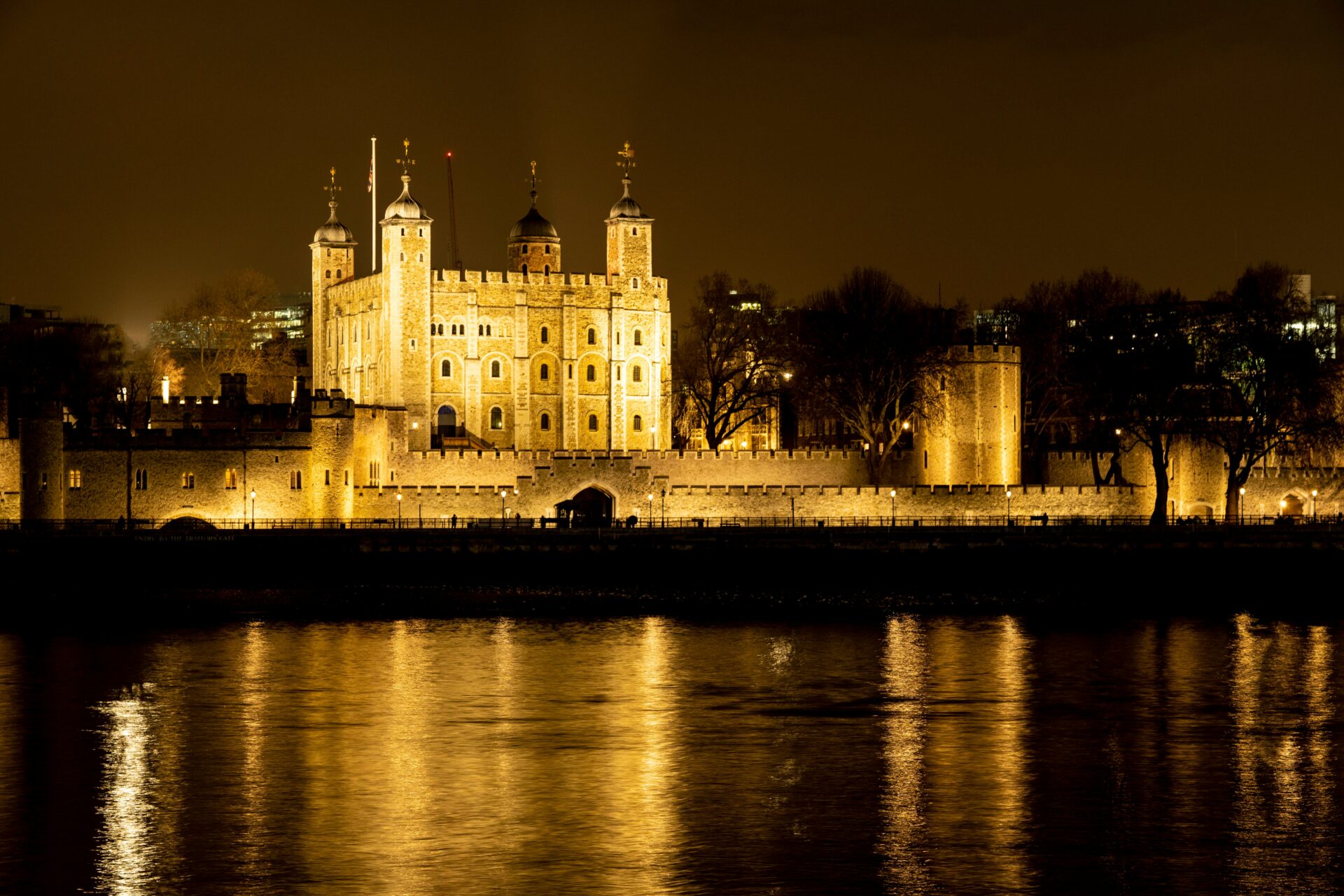
When we think of Halloween, images of carved pumpkins, costumes and haunted houses often come to mind. But behind these familiar traditions lies a fascinating history of ancient beliefs, religious change, witch trials and European folklore.
Understanding the history of Halloween for students offers more than a seasonal classroom activity. It provides an opportunity to explore how societies have understood fear, explained the unknown and responded to changing religious and cultural beliefs.
From the ancient Celtic festival of Samhain to the witch trials of early modern Europe, Halloween’s history connects with themes studied across KS3, GCSE and A-Level History.
For teachers, these stories also offer opportunities to extend learning beyond the classroom through school history trips, where students can investigate the places, artefacts and historical evidence that reveal how people lived and what they believed.
1. Where Did Halloween Originate? From Samhain to All Hallows’ Eve
The origins of Halloween are commonly associated with Samhain, an ancient Gaelic festival marking the transition from the harvest season into winter.
Celebrated around the beginning of November, Samhain was an important seasonal occasion in Ireland and other Gaelic-speaking communities. Later folklore associated this time of year with supernatural beings and a weakening of the boundaries between the human and otherworldly realms.
However, Halloween as we know it today did not develop from a single tradition.
Christian observances also shaped its history. All Saints’ Day, celebrated on 1 November in Western Christianity, honours saints and martyrs, while All Souls’ Day on 2 November commemorates the faithful departed.
The evening before All Saints’ Day became known as All Hallows’ Eve, eventually shortened to Halloween.
Over centuries, customs connected with seasonal festivals, religious observances and local folklore developed into the celebrations recognised today.
Educational connection: Exploring the history of Halloween for students provides an accessible introduction to religious change, cultural continuity and the ways traditions evolve over time.
Teachers can encourage students to consider:
- How do historians distinguish historical evidence from folklore?
- Why do some traditions survive even when their meanings change?
- How did Christianity influence existing European customs?
These questions help develop historical enquiry and interpretation skills, particularly when studying medieval Europe and religious change.
2. Witch Trials in Europe: When Superstition Became Persecution
One of the most recognisable symbols of Halloween is the witch. Yet the historical reality behind this imagery is far more complex and troubling.
Between approximately 1450 and 1750, tens of thousands of people were executed following witchcraft prosecutions across Europe.
Although witchcraft beliefs existed earlier, prosecutions intensified during the early modern period, influenced by religious tensions, political instability, local conflicts and beliefs about supernatural harm.
Many of those accused were women, although the proportions varied between regions.
Accusations could emerge following illness, unexplained deaths, crop failures or disputes within communities. In societies where scientific and medical knowledge differed considerably from modern understanding, supernatural explanations sometimes provided answers to frightening events.
Why Were People Accused of Witchcraft?
Historians identify several overlapping factors:
- Religious tensions: The Reformation and Counter-Reformation contributed to heightened concern about religious conformity and spiritual threats.
- Social conflict: Personal disagreements, damaged reputations and community tensions could contribute to accusations.
- Economic hardship: Poor harvests, disease and poverty sometimes intensified suspicion and the search for scapegoats.
- Legal systems: Judicial procedures, including the use of torture in some jurisdictions, contributed to prosecutions and convictions.
For History students, these events raise important questions about justice, authority, gender and the treatment of vulnerable individuals.
Rather than presenting witch trials simply as evidence of historical superstition, teachers can use them to explore the interaction between beliefs, institutions and social conditions.
The Pendle Witch Trials: A British Case Study
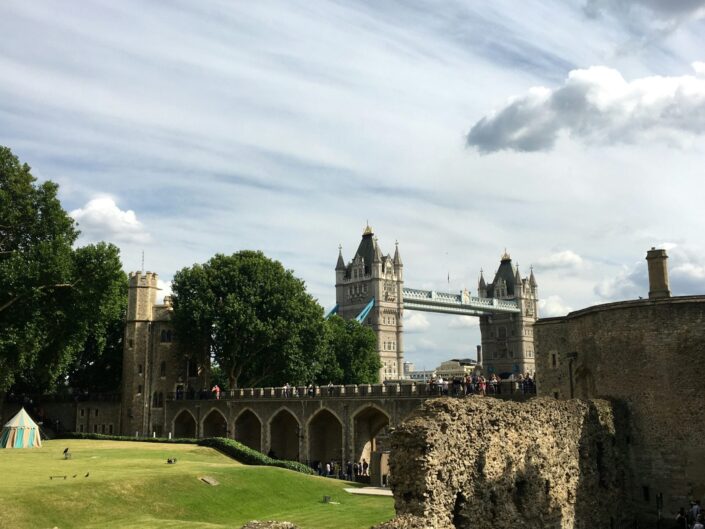
The Pendle witch trials of 1612 remain among the best-known witchcraft prosecutions in English history.
Taking place in Lancashire, the trials resulted in ten people being executed following accusations of witchcraft.
The surviving accounts provide valuable material for examining the influence of testimony, religious beliefs and legal procedures in early seventeenth-century England.
Students studying crime and punishment or early modern Britain can use the Pendle trials to investigate how historical societies defined evidence and administered justice.
Classroom discussion: Were witch trials primarily the result of religious belief, social tensions or the legal systems of the period?
This encourages students to evaluate multiple causes rather than relying on a single explanation.
3. Death and the Supernatural in Medieval Europe
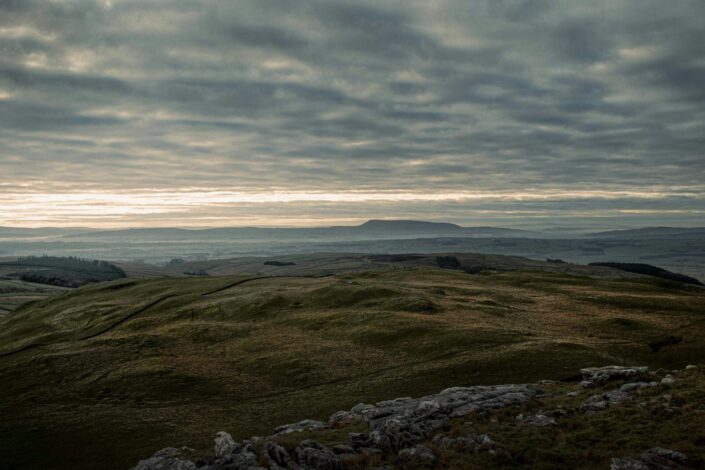
For people living in medieval Europe, death was a visible part of everyday life.
Disease, warfare, childbirth and limited medical treatments contributed to uncertainty about survival. Religious beliefs therefore played an important role in how communities understood mortality and the afterlife.
Christian teachings about heaven, hell, judgement and purgatory influenced religious practices, artistic representations and attitudes towards death.
Churches, monasteries and burial grounds became important places of remembrance, while religious festivals provided opportunities for communities to commemorate those who had died.
The Black Death and Medieval Attitudes Towards Mortality
The Black Death devastated Europe during the fourteenth century, killing a substantial proportion of its population.
The scale of the disaster influenced religious practices, social relationships and artistic expressions of mortality.
One striking example is the Danse Macabre, or Dance of Death, an artistic tradition depicting people from different social classes being led towards death.
These images reminded viewers that wealth, status and political power offered no ultimate escape from mortality.
For students, medieval attitudes towards death provide opportunities to examine how historical events influenced art, religion and everyday behaviour.
Bringing Medieval History to Life in London
A History school trip to London can help students explore medieval society through surviving buildings, museums and historical landmarks.
The Tower of London, for example, offers insights into royal authority, imprisonment, political conflict and punishment.
Students can investigate how the Tower’s role changed over time and distinguish documented historical events from the legends and ghost stories that later became associated with it.
This provides a useful exercise in historical interpretation: how do we separate the history of a place from the stories told about it?
4. Fear, Religion and Power: What Can Historic Places Teach Us?
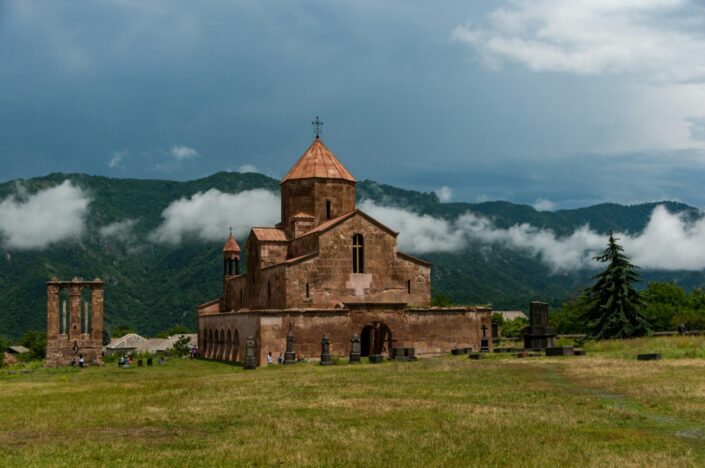
Throughout European history, beliefs about supernatural forces have often intersected with political and religious authority.
Rulers, religious institutions and communities interpreted events through the beliefs and knowledge available to them.
Understanding these historical perspectives is important because it allows students to examine why people acted as they did, without assuming that the past can be explained entirely through modern attitudes.
Rome: Religion, Ritual and the Afterlife
Ancient Rome provides an opportunity to explore how earlier civilisations understood death and supernatural forces.
Roman religious life included rituals honouring household gods, ancestors and the dead. Festivals such as the Lemuria were associated with rites intended to address potentially restless spirits.
These beliefs were distinct from Halloween’s origins, but they provide a useful comparison for students examining how different societies understood the relationship between the living and the dead.
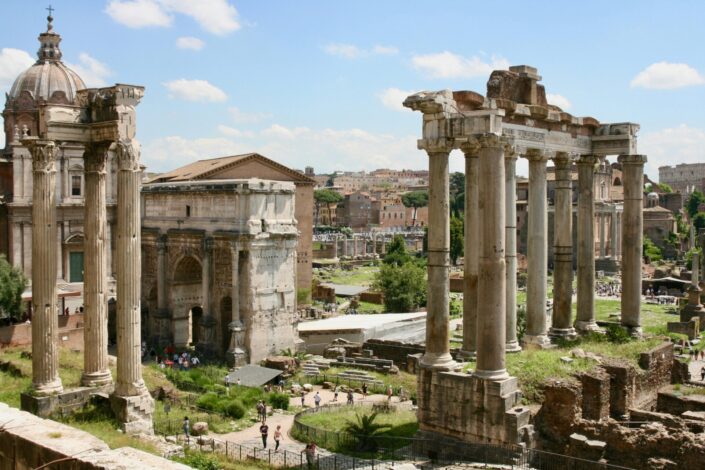
A school Classics trip to Rome can introduce students to ancient religious practices through archaeological sites, temples and surviving monuments.
The Roman Forum, for example, provides a setting for discussing the relationship between religion, politics and public life.
Comparing Roman beliefs with medieval Christian traditions can also support cross-curricular learning in History, Classical Civilisation and Religious Education.
London: Crime, Punishment and Public Fear
London’s historical sites offer further opportunities to examine how authority and punishment developed.
At the Tower of London, students can investigate the imprisonment and execution of individuals accused of offences against the Crown, including treason.
These events offer a valuable comparison with early modern witch trials, helping students consider how political authority, public fear and legal processes shaped historical punishments.
Although the historical contexts differed, both subjects encourage students to question how societies define threats and justify the exercise of power.
5. How Can School History Trips Bring Halloween’s Historical Themes to Life?
Understanding the history of Halloween for students is not simply about learning where modern traditions originated.
It can also provide a starting point for exploring broader historical themes, including religion, social change, justice, political authority and historical evidence.
Educational visits allow students to connect these ideas with physical locations and primary sources.
Investigating Historical Evidence
Museums and historic sites often display objects, documents and archaeological remains that help students understand how historians reconstruct the past.
Students can consider what these sources reveal, what they cannot tell us and how their interpretation may have changed.
Exploring Historical Perspectives
Visiting historic religious buildings, castles and museums can encourage students to consider the beliefs and experiences of people living in different periods.
This is particularly valuable when studying subjects such as medieval religion, the Reformation and early modern witchcraft.
Connecting Different Curriculum Topics
Halloween’s historical themes can support several areas of secondary education:
- KS3 History: Medieval society, religion, the Reformation and changing beliefs.
- GCSE History: Crime and punishment, early modern Britain and the development of historical interpretations, depending on the examination specification.
- A-Level History: Religious conflict, political authority, social attitudes and the persecution of accused witches, where relevant to the chosen course.
- Religious Education: Beliefs about death, the afterlife and religious traditions.
- Classical Civilisation: Ancient religious practices, mythology and burial customs.
Teachers can select the themes most relevant to their syllabus rather than treating Halloween as a standalone historical topic.
6. Planning a Curriculum-Linked School History Trip
At Activ4 School Tours, we understand that successful educational visits need to offer more than an interesting destination.
With over 25 years of experience organising school tours, we work with teachers to create tailored itineraries that connect historical sites and cultural experiences with their learning objectives.
Whether your group is exploring medieval London, ancient Rome or another European destination, our team can help you plan a programme suited to your students’ ages, interests and curriculum requirements.
Our educational school trips can incorporate guided visits, museums and opportunities for students to develop their understanding of the past through firsthand experiences.
And while Halloween provides an engaging seasonal introduction, the historical themes explored in this article remain relevant throughout the academic year.
Frequently Asked Questions About the History of Halloween for Students
What is the history of Halloween for students?
Halloween developed through a combination of traditions, including the Gaelic festival of Samhain, Christian observances surrounding All Saints’ Day and later European and North American customs. Studying its history helps students understand cultural change, religion and folklore.
Did Halloween originate in medieval Europe?
Halloween has roots in older Gaelic seasonal traditions, while its development was also influenced by Christian religious observances and later customs. Many familiar modern Halloween practices emerged over a much longer period.
Why are witches associated with Halloween?
Witches became associated with Halloween through European folklore, supernatural traditions and later popular culture. The familiar image of the Halloween witch differs considerably from the historical experiences of people accused of witchcraft.
Can Halloween be linked to GCSE History?
Yes. Halloween-related themes can complement GCSE History topics such as crime and punishment, religious change and early modern society. The relevance depends on the examination board and specification.
What can students learn from visiting historical sites?
Historical visits can help students develop source analysis, chronological understanding and historical interpretation skills. Museums, monuments and preserved buildings provide opportunities to connect classroom learning with physical evidence.
Which destinations are suitable for school history trips?
Destinations such as London and Rome offer opportunities to explore different historical periods through museums, archaeological sites and landmarks. The most suitable destination depends on the school’s curriculum and educational objectives.
Discover the History Behind the Stories with Activ4
Halloween may be associated with costumes, ghost stories and supernatural legends, but its wider historical context reveals important lessons about belief, fear and social change.
From medieval religious traditions to early modern witch trials, these subjects offer opportunities for students to question historical evidence, understand different perspectives and explore how societies have changed.
At Activ4 School Tours, we help schools turn historical learning into memorable educational experiences through carefully planned, curriculum-linked visits.
Ready to bring history beyond the classroom?
Explore our School History Trips and discover how Activ4 can help you create a tailored educational tour for your students.
