


Creating opportunities for more students, more subjects and better value
When schools plan an overseas sports tour, it’s often built around a single squad or sport. While this can work well for elite teams, it can also limit participation and increase costs. Increasingly, schools are looking for more inclusive school sports tour models that allow a wider range of students to take part, while still delivering strong sporting and educational outcomes.
Here’s how a more inclusive approach can work in practice and why it often delivers better value for both students and schools.
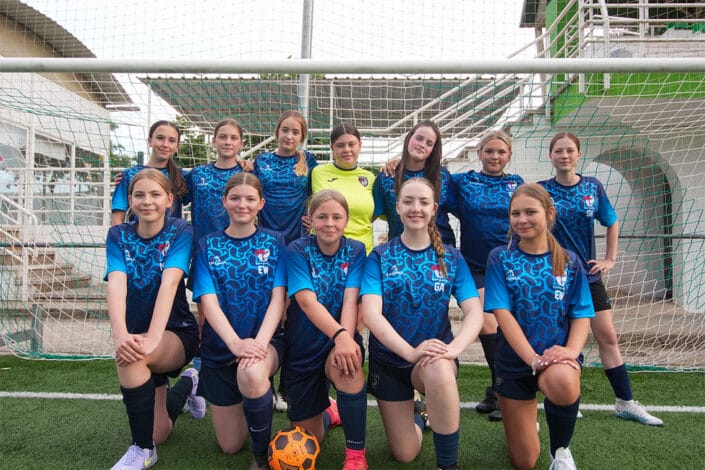
Start with a multi-sport foundation
A multi-sports tour provides a strong starting point for inclusivity. Rather than centring the trip on one team, formats like SportsFest allow schools to combine:
- Netball
- Football
- Rugby
- Basketball
- Hockey
By including multiple sports within one programme, schools can:
- Travel with several teams or year groups together
- Offer opportunities to students of different abilities
- Reduce the pressure of selection around a single squad
This approach works particularly well for PE and Games departments looking to maximise participation without sacrificing competitive fixtures.
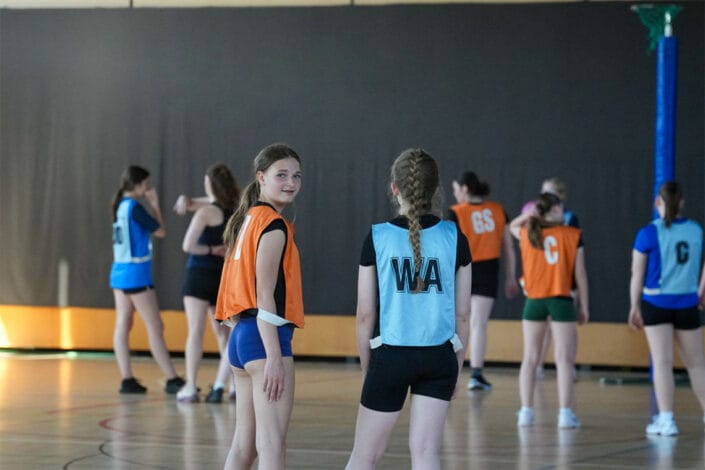
Add flexibility with optional sports
Inclusivity isn’t just about the headline sports it’s also about adaptability. Optional add-on sports allow schools to tailor the tour to their cohort, making it easier to include:
- Smaller squads
- Emerging sports
- Mixed-ability groups
This flexibility ensures the tour works for the students you actually have, rather than forcing departments to fit around a rigid structure.

Combine sport with cultural and social experiences
Inclusive tours also benefit from shared experiences beyond competition. Activities such as:
- Bowling evenings
- Group disco nights
- City visits
help build team cohesion and ensure that students who may not be playing every fixture still feel fully involved in the trip.
Visits to major cities such as Barcelona or Venice, alongside iconic sporting venues, add a cultural dimension that appeals to a broader range of students and parents alike.
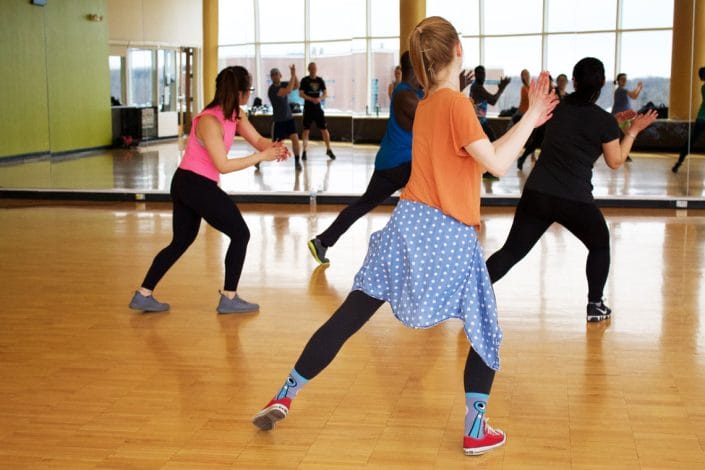
Run alongside other subject programmes
One of the most effective ways to increase inclusivity and value is to run parallel programmes alongside a sports tour.
For example:
- ArtsFest allows Performing Arts students to travel at the same time on a coordinated itinerary
- Spanish language trips can run alongside sports tours in Spain, allowing language students to benefit from immersion while sharing accommodation and travel
This approach:
- Opens overseas travel to students who may not usually join a sports tour
- Encourages cross-department collaboration
- Creates a more diverse and inclusive group experience
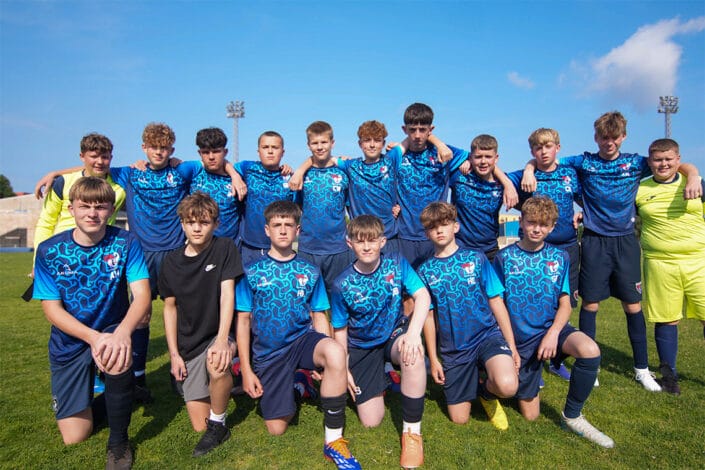
Greater participation often means better value
Bringing more students onto a single tour doesn’t just improve inclusivity — it often improves cost efficiency.
Larger group sizes can:
- Reduce per-student transport and accommodation costs
- Make overseas travel more viable for families
- Allow schools to offer international experiences to a wider range of students
In practice, inclusive tour models frequently bring the overall price per student down, while delivering a richer experience.
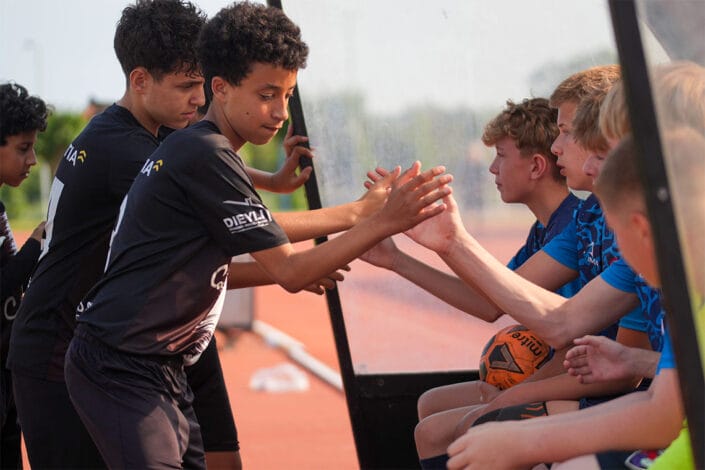
A more inclusive model for modern school travel
At Activ4 School Tours, we see inclusive sports tours as a reflection of how schools operate today: collaborative, cross-curricular and focused on widening access. By combining multiple sports, optional add-ons, parallel subject programmes and shared cultural experiences, we help schools create tours that work for more students, more departments and more budgets.
For many schools, this approach transforms an overseas sports tour from a niche opportunity into a genuinely whole-school experience — without compromising on quality or impact.
