


Knowing how to plan a STEM school trip that is educational, engaging and memorable can make all the difference to your students’ learning experience.
From exploring cutting-edge research facilities to discovering how engineering and technology shape our world, an overseas Science or STEM trip brings classroom learning to life. However, organising a successful trip requires careful planning. Choosing the right destination, identifying curriculum-linked activities and creating a balanced itinerary are all important steps.
Whether you’re a Head of Science, STEM coordinator or teacher organising your first overseas visit, this guide will help you plan a rewarding experience for your students.
1. Start with Your Science and STEM Learning Objectives
Before choosing a destination, consider what you want your students to gain from the experience.
A successful STEM or Science school trip should complement classroom teaching while introducing students to concepts, environments and opportunities they might not otherwise encounter.
Think about the subjects and curriculum areas you want to explore:
- Biology: Ecosystems, biodiversity, conservation, genetics and environmental science.
- Chemistry: Materials science, chemical processes, sustainability and scientific research.
- Physics: Particle physics, astronomy, energy, forces and space exploration.
- Technology: Robotics, artificial intelligence, computing and digital innovation.
- Engineering: Design, manufacturing, infrastructure and renewable energy.
- Mathematics: Problem-solving, data analysis, mathematical modelling and real-world applications.
For GCSE and A-Level students, you may wish to focus on particular curriculum topics. Alternatively, a cross-curricular STEM trip can introduce students to several disciplines and demonstrate how they work together.
Teacher tip: Identify two or three key learning outcomes before exploring destinations. This will help you prioritise activities and explain the educational value of the trip to your senior leadership team. Teachers can also explore the free educational resources available through STEM Learning, which provide curriculum-linked activities and inspiration across Science, Technology, Engineering and Mathematics.

2. Choose the Right Destination for Your Students
When considering how to plan a STEM school trip, choosing a destination that supports your curriculum objectives is one of the most important decisions.
Different destinations offer different educational opportunities, so the best choice will depend on your students’ ages, subject interests, available budget and learning objectives.
Geneva, Switzerland – Particle Physics and Scientific Discovery
For students interested in Physics, Geneva offers an opportunity to explore the world of scientific research.
Home to CERN, the European Organization for Nuclear Research, Geneva is an excellent destination for introducing students to particle physics, scientific collaboration and the technologies used to investigate the fundamental structure of the universe.
A visit can help students understand how scientific theories are tested and developed through international research.
Berlin, Germany – Technology, Engineering and Innovation
Berlin is an exciting choice for schools looking to explore the relationship between Science, Technology and modern society.
With interactive museums, engineering exhibits and opportunities to investigate digital innovation, the city provides an engaging setting for STEM learning.
Students can explore subjects such as computing, cybersecurity, sustainable technology and engineering while discovering how innovation influences everyday life.
Florence and Bologna, Italy – Engineering and Scientific Innovation
Italy offers a fascinating combination of scientific history and modern engineering.
A STEM trip to Florence and Bologna allows students to explore the development of scientific ideas alongside contemporary engineering and manufacturing.
From historic scientific instruments to the automotive engineering of Italy’s Motor Valley, this destination is particularly appealing to students interested in design, technology and applied science.
Japan – Robotics, Technology and Scientific Advancement
For schools considering a longer-haul experience, Japan offers a remarkable introduction to modern technology and innovation.
Students can explore robotics, advanced engineering, scientific research and the role of technology in everyday life.
Japan is particularly well suited to cross-curricular STEM groups interested in the relationship between science, engineering, computing and future careers.
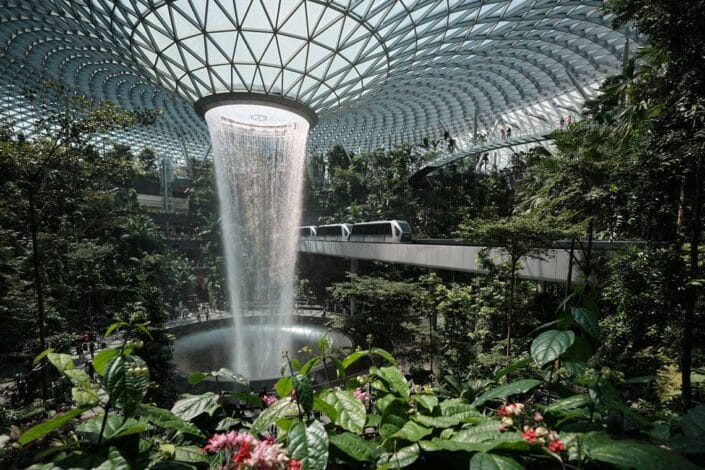
Singapore – Sustainability and Smart Technology
Singapore provides an exciting setting for exploring how technology, engineering and environmental science can contribute to modern urban development.
Students can investigate sustainable design, innovative infrastructure and the practical applications of science in a rapidly developing technological environment.
Teacher tip: Rather than selecting a destination based solely on its attractions, consider which location offers the strongest connection to your curriculum objectives.
To learn more check out our guide to choosing the best Stem Trip.
3. Select Educational Visits That Bring Science to Life
Once you’ve chosen a destination, the next step is identifying activities that will provide meaningful learning opportunities.
The most effective Science and STEM school trips go beyond traditional sightseeing. They encourage students to question, investigate, experiment and discover.
Depending on your destination, consider incorporating:
- Science museums and discovery centres: Interactive exhibits that help students explore scientific principles.
- Research institutions: Opportunities to discover how scientists investigate complex questions.
- Engineering and technology facilities: Experiences that demonstrate how scientific knowledge is applied in industry.
- Workshops and practical activities: Hands-on learning that encourages experimentation, creativity and problem-solving.
- Environmental and sustainability visits: Opportunities to explore renewable energy, conservation and sustainable development.
For example, students studying Physics may benefit from exploring particle research at CERN, while those interested in Engineering could gain valuable insights from Italy’s automotive industry.
Where possible, include a combination of guided visits, interactive experiences and opportunities for independent observation.
Remember that specialist facilities may have age restrictions, limited group capacity or specific booking requirements. Checking these early can help you avoid disappointment.
4. Create a Balanced STEM School Trip Itinerary
Understanding how to plan a STEM school trip also means creating an itinerary that balances educational visits, practical learning and cultural experiences.
A timetable packed with back-to-back activities can leave students feeling overwhelmed, particularly when travelling internationally.
Instead, aim to balance structured learning with cultural experiences, sightseeing and time to reflect.
For example, a four-day European STEM school trip might include:
Day 1 – Arrival and Introduction
Travel to your destination, settle into your accommodation and enjoy an introductory visit or guided orientation.
Day 2 – Scientific Discovery
Spend the day exploring a major science museum or research facility, with opportunities for interactive learning and curriculum-focused discussions.
Day 3 – Technology and Innovation
Discover how science is applied in the real world through engineering exhibits, technology centres or specialist workshops. Include time to explore the destination’s cultural highlights.
Day 4 – Reflection and Return
Use the final morning for a short educational visit, student reflection activity or sightseeing before travelling home.
Your itinerary should reflect the age and needs of your group, with sufficient breaks, appropriate travel times and opportunities for students to enjoy the experience.

Natural History Museum London
5. Make STEM Learning Accessible to Every Student
Science and STEM trips can inspire students with a wide range of interests and abilities, not just those already considering a career in science.
When planning your trip, think about how activities can be adapted to suit different learning styles, confidence levels and educational needs.
Interactive exhibitions, demonstrations and practical workshops can be particularly effective because they allow students to engage with scientific concepts in different ways.
For mixed-ability groups, consider incorporating activities that encourage teamwork and collaborative problem-solving.
It’s also worth reviewing the accessibility of attractions, sensory demands, language requirements and any specialist equipment needed.
By choosing a varied programme, you can create an inclusive experience that encourages every student to participate.
6. Consider Your Budget and Trip Duration
The cost of an overseas Science or STEM school trip will depend on several factors, including your destination, travel dates, group size, accommodation and chosen activities.
European destinations such as Berlin, Geneva and northern Italy can be practical options for shorter trips. Meanwhile, long-haul destinations such as Japan and Singapore may be better suited to schools planning an extended programme.
When considering your budget, think about:
- Travelling outside particularly busy periods where school calendars allow.
- Choosing destinations with several educational attractions within a manageable distance.
- Balancing specialist workshops with museums and other educational visits.
- Selecting a trip duration that allows you to achieve your learning objectives without unnecessary additional costs.
- Requesting a bespoke quotation based on your school’s priorities.
It’s also important to consider the overall value of the experience, rather than simply choosing the lowest-cost option.
A carefully planned itinerary with strong curriculum connections can provide lasting educational benefits.
For further advice on managing costs, read our guide to organising an affordable overseas school trip.

7. Prepare Students Before Departure
A Science or STEM school trip can become even more valuable when students are involved in the learning process before they travel.
Introducing the destination and its scientific significance in advance helps students understand what they will be exploring.
You could encourage students to research a particular scientist, scientific discovery or technological development associated with their destination.
Alternatively, ask students to prepare questions they would like answered during their educational visits.
For example:
- How do scientists investigate particles that cannot be observed directly?
- What role does engineering play in developing more sustainable transport?
- How is artificial intelligence changing the way we live and work?
- How can scientific research help address environmental challenges?
Giving students a specific focus can encourage curiosity and help them engage more actively with the experiences available.
8. Extend STEM Learning Beyond the Trip
The educational benefits of a STEM school trip don’t have to end when students return home.
In fact, encouraging students to reflect on their experiences can help reinforce their understanding and demonstrate how their learning connects to the curriculum.
Consider incorporating follow-up activities such as student presentations, scientific reports, classroom discussions or practical investigations inspired by the trip.
Students might compare technologies observed overseas with those used in the UK, investigate a scientific question raised during a visit or explore the careers associated with the institutions they visited.
These activities can also provide useful evidence of the trip’s educational impact when reporting back to your school leadership team.
9. Plan Your Science or STEM School Trip with Activ4
If you’re unsure how to plan a STEM school trip, our experienced team can help you develop a bespoke itinerary tailored to your school’s requirements.
From coordinating group travel to arranging specialist educational visits, there are many practical details to consider.
At Activ4 School Tours, we work with teachers to create bespoke Science School Trips and STEM School Trips tailored to their students’ interests, curriculum requirements and budget.
Whether you’re interested in particle physics in Geneva, engineering in Italy or technological innovation in Japan, our experienced team can help you develop an itinerary that combines educational value with memorable experiences.
We can assist with accommodation, transport, educational excursions and the practical arrangements involved in overseas school travel, allowing you to focus on your students and their learning.
For more general advice about organising international travel, explore our guide to planning an overseas school trip.

Frequently Asked Questions About Planning a STEM School Trip
What is the difference between a Science school trip and a STEM school trip?
A Science school trip typically focuses on subjects such as Biology, Chemistry and Physics. A STEM school trip takes a broader approach, combining Science with Technology, Engineering and Mathematics to explore how these disciplines work together in real-world situations.
What are the best destinations for a STEM school trip?
The best destination depends on your curriculum objectives. Geneva is particularly appealing for Physics, Berlin for technology and innovation, Florence and Bologna for Engineering, and Japan for robotics and advanced technology.
How far in advance should teachers plan a STEM school trip?
Ideally, teachers should begin exploring options around 12–18 months before departure, particularly for overseas trips involving specialist research facilities or popular educational attractions. Starting early can provide greater flexibility with dates, accommodation and group bookings.
Can STEM school trips support GCSE and A-Level learning?
Yes. STEM school trips can complement GCSE and A-Level studies by helping students explore scientific principles and their practical applications. Activities can be selected to support relevant curriculum topics and introduce students to further study and career opportunities.
Can a STEM school trip include multiple subjects?
Absolutely. STEM trips are particularly well suited to cross-curricular learning. A single itinerary might combine Physics, Engineering, Mathematics and Computer Science, making it possible for several departments to benefit from the same experience.
Ready to Inspire Your Next Generation of Scientists and Innovators?
A well-planned Science or STEM school trip can spark curiosity, encourage problem-solving and help students discover the exciting possibilities that exist beyond the classroom.
Whether you’re planning a short European visit or an ambitious long-haul educational experience, Activ4 can help you create a trip that meets your school’s objectives.
Explore our Science and STEM school trips or contact the Activ4 team to start planning your next educational adventure.
