

When planning a school ski trip, one of the biggest considerations for teachers is snow reliability. After months of organising, fundraising and preparing students for their adventure, schools naturally want to choose a destination that offers the best possible chance of good skiing conditions. But what are the most snow-reliable destinations for school ski trips, and how can teachers choose the right resort?
From the high-altitude slopes of Sestriere, Andorra and Sierra Nevada to the colder winter climates of Norway, Sweden and Finland, there are several excellent destinations worth considering.
At Activ4 School Tours, we organise tailor-made school ski trips to a range of European destinations, helping schools find the right balance between snow conditions, skiing ability, accommodation, activities and budget.
What Makes a Ski Resort Snow-Reliable?
Snow reliability is about more than how much snowfall a resort receives each winter.
Several factors influence the likelihood of good skiing conditions:
- Altitude: Higher slopes generally experience colder temperatures, helping snow accumulate and remain on the ground.
- Latitude: Resorts further north, particularly in Scandinavia, can benefit from colder winter temperatures despite being at lower altitudes.
- Snowmaking facilities: Artificial snowmaking can help maintain prepared pistes when temperatures and conditions permit.
- Time of year: Some destinations are particularly suited to midwinter skiing, while others can offer favourable conditions later in the season.
- Slope orientation: North-facing slopes in the Northern Hemisphere often retain snow for longer because they receive less direct sunlight.
For school groups, snow reliability also means considering the condition and accessibility of beginner slopes, ski-school meeting areas and the pistes students will actually use.
1. Andorra – High-Altitude Skiing in the Pyrenees
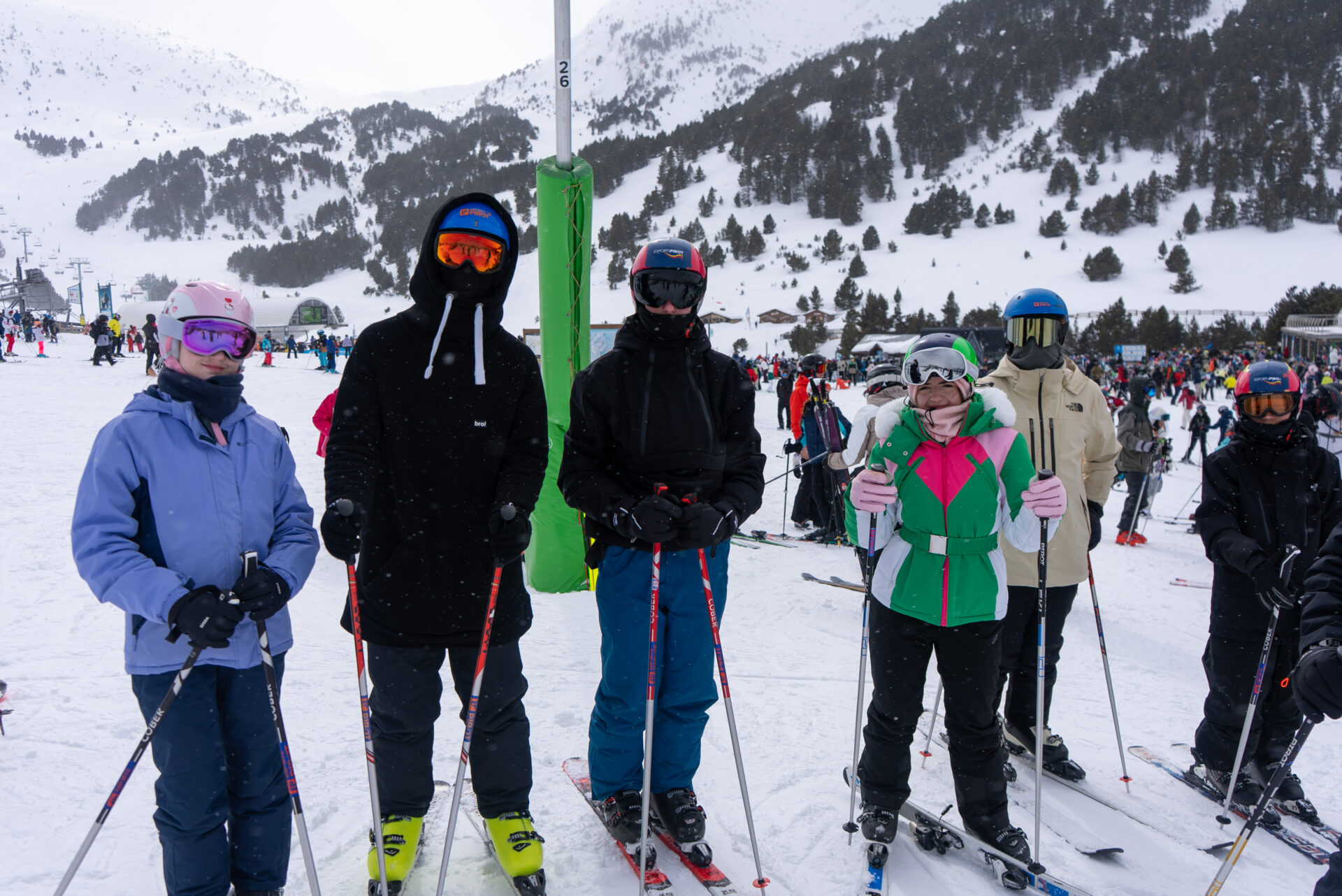
Andorra is a popular destination for school ski trips, offering extensive skiing, impressive mountain scenery and a range of slopes suitable for different abilities.
Located in the Pyrenees between France and Spain, Andorra benefits from mountainous terrain, established ski infrastructure and snowmaking facilities across its major ski areas.
Why consider Andorra for snow reliability?
Resorts such as Grandvalira offer skiing at elevations reaching approximately 2,640 metres, while Pal Arinsal also provides varied terrain for developing skiers.
Andorra’s combination of altitude and snowmaking makes it an attractive option for schools travelling during the main winter season.
Why schools choose Andorra:
- Extensive beginner and intermediate skiing
- High-altitude pistes across major ski areas
- Established ski schools and group facilities
- A variety of accommodation and après-ski options
- Opportunities for students to experience the culture of the Pyrenees
Best suited to: January, February and March school ski trips, subject to seasonal conditions.
Andorra is particularly appealing for schools looking for a combination of accessible skiing, varied terrain and a memorable European mountain experience.
2. Sierra Nevada, Spain – High-Altitude Skiing in Southern Europe
Spain might not be the first destination that comes to mind when thinking about snow-reliable school ski trips, but Sierra Nevada offers something quite different.
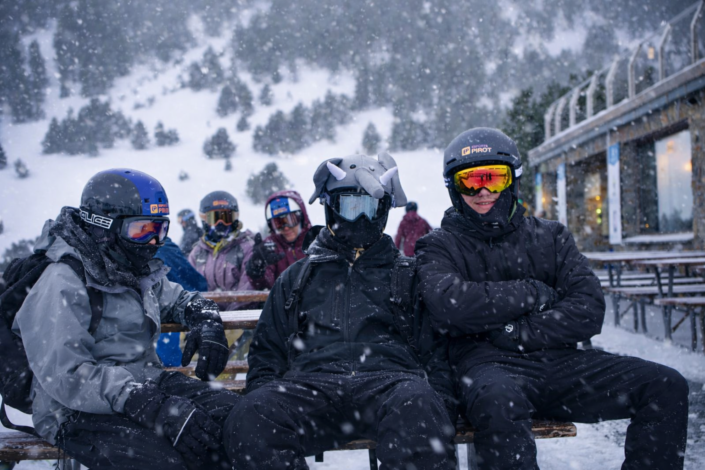
Located in southern Spain, Sierra Nevada is home to some of Europe’s highest lift-served skiing, with pistes reaching approximately 3,300 metres.
Its altitude can help maintain skiing conditions well into spring, although its southerly location also means sunshine and warmer weather can affect the snow, particularly on lower slopes.
Why consider Sierra Nevada for snow reliability?
Sierra Nevada combines high-altitude skiing with an extensive snowmaking network, helping support piste preparation during suitable conditions.
The resort also offers a distinctive setting, with panoramic mountain views and the opportunity to experience the culture of southern Spain.
Why schools choose Sierra Nevada:
- High-altitude skiing reaching around 3,300 metres
- A variety of slopes for beginners and developing skiers
- Snowmaking facilities across important ski areas
- A distinctive Spanish mountain environment
- Opportunities to combine skiing with cultural experiences
Best suited to: Midwinter and potentially spring school ski trips, depending on snow conditions and the resort’s operating dates.
For schools seeking a different European ski destination, Sierra Nevada offers an exciting alternative to the traditional Alpine resorts.
3. Sestriere, Italy – High-Altitude Skiing in the Italian Alps
Sestriere is another destination worth considering when researching snow-reliable school ski trips.
Situated at approximately 2,035 metres above sea level, Sestriere is one of Italy’s highest established ski resort villages.
It forms part of the extensive Via Lattea, or Milky Way, ski area, which offers a wide range of slopes across the Italian Alps.
Why consider Sestriere for snow reliability?
Sestriere’s high village altitude is an advantage, particularly compared with resorts where accommodation and beginner slopes are located much lower down the mountain.
The ski area also benefits from snowmaking infrastructure on selected pistes, supporting skiing during periods when natural snowfall is limited.
Why schools choose Sestriere:
- A high-altitude resort village
- Access to the extensive Via Lattea ski area
- Beginner, intermediate and advanced terrain
- Established skiing infrastructure
- An authentic Italian Alpine experience
Best suited to: January, February and March, with spring skiing possibilities depending on conditions.
For schools seeking a traditional Alpine ski experience, Sestriere combines extensive skiing with the atmosphere of an Italian mountain resort.
4. Norway – Cold Winter Conditions and Scandinavian Skiing
Altitude is not the only factor in snow reliability.
Norway demonstrates why northern European destinations can be excellent choices for school ski trips.
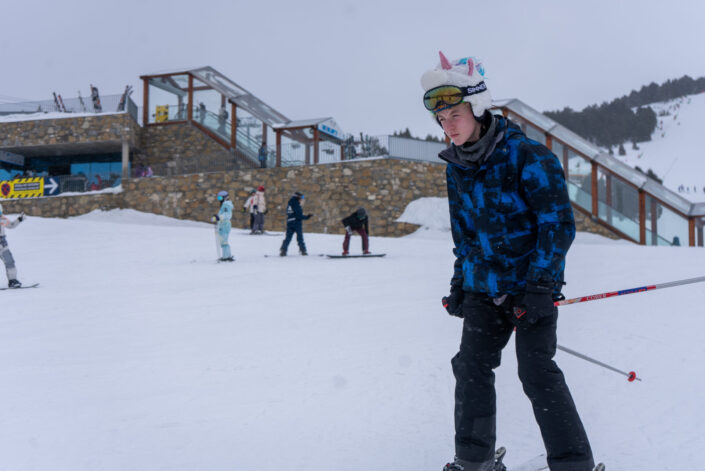
Although many Norwegian ski resorts sit at lower elevations than their Alpine counterparts, their northerly location and colder winter climate can help support consistent snow cover during the main ski season.
Trysil
Trysil is one of Norway’s largest ski resorts, offering an extensive network of pistes and dedicated areas for different skiing abilities.
Its established ski infrastructure, varied terrain and winter climate make it an attractive destination for school groups.
Oppdal
Oppdal offers a Norwegian mountain skiing experience, with multiple ski areas and a mixture of gentle and more challenging slopes.
Its location and winter climate can provide favourable conditions during the main season, although conditions vary between different parts of the ski area.
Why schools choose Norway:
- Typically cold winter temperatures
- Well-developed ski facilities
- Beginner-friendly areas in major resorts
- Opportunities to experience Scandinavian culture
- A distinctive alternative to Alpine school ski trips
Best suited to: The main winter season, particularly January to March, depending on the resort.
5. Sweden – Scandinavian Snow and Family-Friendly Ski Areas
Sweden is another excellent option for schools considering a Scandinavian ski adventure.
With colder winter conditions and well-developed ski resorts, Sweden offers an alternative to the higher-altitude destinations of southern Europe.
Sälen
Sälen is one of Sweden’s best-known ski destinations, with several ski areas offering terrain for beginners and more experienced skiers.
Its northerly location can help provide dependable midwinter conditions, while its accessible ski areas and established facilities make it particularly appealing for groups learning to ski.
Why schools choose Sweden:
- Cold winter temperatures
- A strong focus on beginner and family-friendly skiing
- Well-organised ski facilities
- Scenic Scandinavian surroundings
- Opportunities for winter activities beyond the slopes
Best suited to: January, February and March, with season length varying between ski areas.
For schools introducing students to skiing, Sweden offers a welcoming environment and a memorable Scandinavian winter experience.
6. Finland – A Strong Choice for Midwinter Snow Reliability
Finland is an increasingly interesting destination for schools looking for snow-reliable skiing and a distinctive winter adventure.
Unlike the high-altitude ski resorts of the Alps, Finnish resorts benefit primarily from their northern latitude and colder winter climate.
Ruka-Kuusamo
Ruka is particularly well known for its long skiing season, supported by cold temperatures, snowmaking and snow storage.
Although the resort’s elevation is relatively modest compared with Alpine destinations, its northern location can support skiing from autumn into spring, subject to conditions.
For school groups, Ruka combines downhill skiing with opportunities to experience the wider winter environment of Finnish Lapland.
Depending on the itinerary and availability, additional activities may include husky experiences, snowshoeing and other winter adventures.
Why schools choose Finland:
- A northern climate suited to winter skiing
- A typically long operating season at Ruka
- Suitable terrain for learning and developing skiing skills
- Opportunities for distinctive winter activities
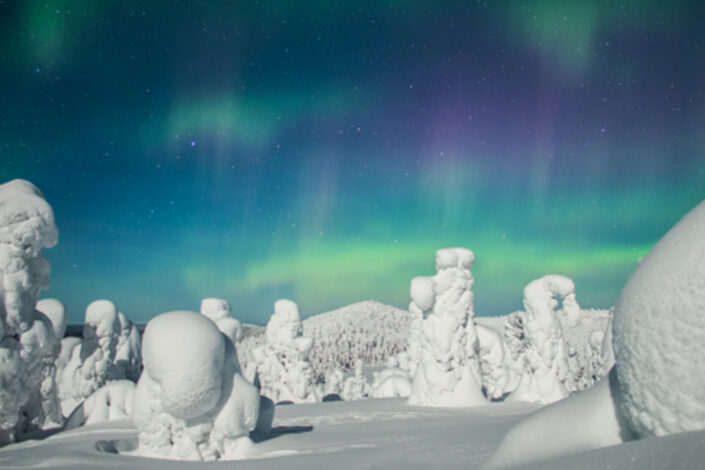
- The possibility of experiencing the Northern Lights, although sightings are never guaranteed
Best suited to: Midwinter school ski trips, with Ruka also worth considering for selected early- and late-season departures.
Finland offers schools the opportunity to combine skiing with an unforgettable experience of northern European landscapes and culture.
Which School Ski Destinations Are Best for February Half Term?
February half term is one of the most popular periods for UK school ski trips.
At this time of year, schools can consider both high-altitude European destinations and colder Scandinavian resorts.
Destinations worth exploring include:
- Andorra: Extensive skiing and high-altitude terrain in the Pyrenees.
- Sestriere: A high-altitude Italian resort with access to a large ski area.
- Sierra Nevada: High-elevation skiing in southern Spain.
- Trysil and Oppdal: Norwegian destinations with established winter skiing.
- Sälen: Swedish skiing with beginner-friendly facilities.
- Ruka-Kuusamo: Finnish skiing supported by a colder northern climate.
The most suitable choice will depend on the school’s preferred dates, students’ abilities, group size and budget.
Are Scandinavian Resorts More Snow-Reliable Than the Alps?
Not necessarily. Both regions have advantages.
High-altitude Alpine resorts benefit from colder temperatures at elevation and, in some cases, extensive upper-mountain terrain.
Scandinavian resorts benefit from their northerly location, which can support colder winter conditions even at lower altitudes.
For example, a lower-altitude resort in northern Finland may experience more consistent winter temperatures than a higher resort in southern Europe.
However, this does not automatically mean it receives more snowfall or offers better skiing throughout the season.
The key is to consider altitude, latitude, historical conditions and the exact travel dates together.
How Can Schools Choose a Snow-Reliable Ski Resort?
When comparing destinations, teachers should look beyond a resort’s reputation and consider the practical requirements of their group.
1. Consider Your Travel Dates
A resort suited to February skiing may not be equally suitable for an early December or late Easter departure.
2. Look at Beginner Slope Locations
For groups with first-time skiers, the altitude and accessibility of beginner areas are particularly important.
3. Check Snowmaking Facilities
Snowmaking can help support piste preparation, but it depends on suitable temperatures, water availability and operating conditions.
4. Consider the Whole School Ski Experience
Snow conditions are important, but so are ski instruction, accommodation, travel arrangements, supervision and activities.
5. Speak to an Experienced School Ski Tour Operator
A specialist school ski tour operator can help schools compare destinations based on their requirements rather than choosing a resort solely because it is well known.

Frequently Asked Questions About Snow-Reliable School Ski Trips
What is the most snow-reliable destination for a school ski trip?
There is no single destination that is guaranteed to have the best snow every year. High-altitude resorts such as Sestriere and Sierra Nevada, along with northern destinations such as Ruka in Finland, are worth considering for different reasons. The best choice depends on the time of year and the location of the slopes used by the group.
Is Andorra snow-reliable for school ski trips?
Andorra offers high-altitude skiing and extensive snowmaking facilities, making it a popular choice during the main winter season. Conditions vary between resorts, elevations and travel dates.
Is Sierra Nevada suitable for February school ski trips?
Yes, Sierra Nevada can be an attractive February destination because of its high-altitude skiing and established snowmaking facilities. However, snow conditions are not guaranteed and should be assessed for the intended travel period.
Is Finland good for school ski trips?
Finland can be an excellent option, particularly for schools interested in colder midwinter conditions and additional winter activities. Ruka-Kuusamo is especially notable for its typically long ski season.
Are school ski trips possible at Easter?
Yes. Some higher-altitude destinations and northern resorts may offer skiing during the Easter holidays. However, Easter falls on different dates each year, and schools should check the resort’s planned operating season and expected conditions before booking.
Can a ski resort guarantee snow?
No ski resort can guarantee natural snowfall or unrestricted skiing. Snowmaking, snow storage and high-altitude terrain can improve the chances of suitable skiing conditions, but weather and operational factors still affect what is available.
Plan Your School Ski Trip with Activ4
Choosing the right ski destination is about more than finding the highest mountain or the resort with the most snowfall.
At Activ4 School Tours, we have over 25 years of experience organising tailor-made school tours, helping teachers plan trips that suit their students, travel dates and budget.
Whether you’re considering the high-altitude slopes of Andorra, Sierra Nevada or Sestriere, or exploring the winter landscapes of Norway, Sweden and Finland, our team can help you find a destination that works for your school.
From accommodation and transport to ski lessons, equipment hire, lift passes and après-ski activities, we can help organise your school ski experience.
Ready to start planning?
Explore our School Ski Trips or contact our team to discuss your preferred dates and receive a tailor-made quotation.
